
Insights from Biolexis Therapeutics
What excites you most about participating in the 3rd Obesity & Weight Loss West Coast Summit this year?
I am most looking forward to the latest clinical updates on non-incretin and other novel obesity therapeutics, as well as reconnecting with the innovators I met at last year’s summit. What truly sets this conference apart is its intimate setting, which naturally fosters high-level discussions among field leaders and sparks meaningful collaboration. Last year, the group sessions generated exceptional dialogue that directly inspired novel concepts we have since implemented in our ongoing trial and experimental designs.
The Obesity landscape has exploded in recent years. What conversations are you most looking forward to having with fellow innovators at the event?
I am eager to discuss the next wave of therapeutic evolution and our immediate next steps as an industry. For the first time, we are seeing a measurable decrease in national obesity rates, an incredible milestone. I am looking forward to conversations that look beyond our current successes to focus on how we sustain this momentum, refine our targets, and keep the therapeutic focus driving forward.
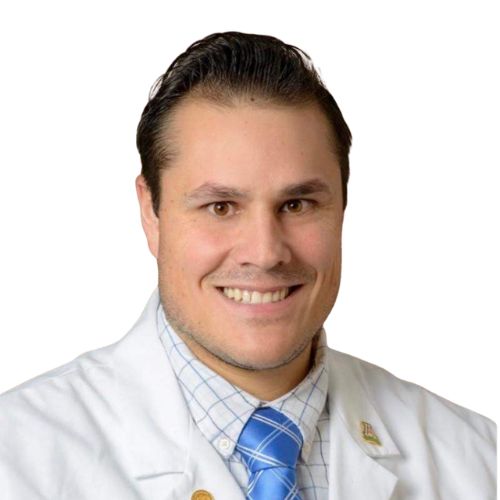
Biolexis Therapeutics will be presenting at this year's meeting, what will you be sharing and why are you excited for what your work means for the field?
We are thrilled to discuss our comprehensive, all-oral approach to obesity treatment, featuring both our novel oral GLP-1 receptor agonist and our non-incretin, isoform-selective AMPK activator. We will be sharing Phase 1 clinical trial results that demonstrate an excellent tolerability profile, alongside new insights into a truly novel oral mechanism of action. I am excited because this work represents a significant leap toward a highly effective, patient-friendly treatment paradigm.
What do you see as the biggest hurdle in bringing the next generation of obesity therapeutics successfully into the clinic and onward to commercial viability?
I see two primary hurdles: the quality of the weight loss and widespread accessibility. First, we must prioritize "healthier" weight loss by focusing on muscle preservation and continuing to improve safety and tolerability profiles. Second, we must expand access for patients who most need these therapies. There remains a massive, untreated subset of the population that would dramatically benefit from intervention. Overcoming barriers to tolerability and broad access will ultimately allow us to make the greatest impact on global health.
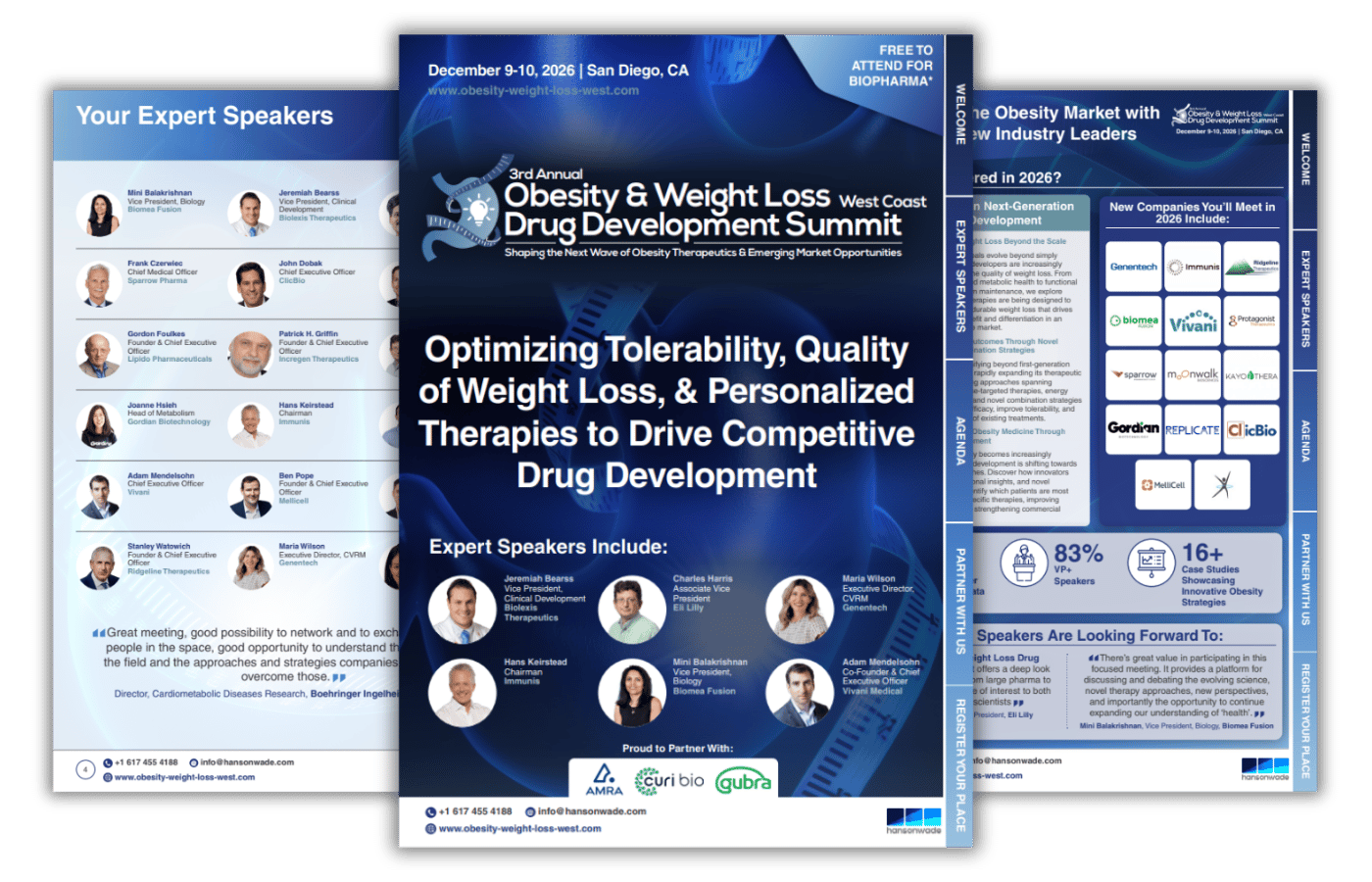
Explore the Full Event Guide
- Hear from 80% + Speakers at VP+ Level
- Join 10+ Companies Unveiling New Data
- Learn from 14+ New Speaking Companies
- 90%+ New Biopharma Speaking Individuals with new Case Studies
- Free* Attendance for Representatives from Biopharma
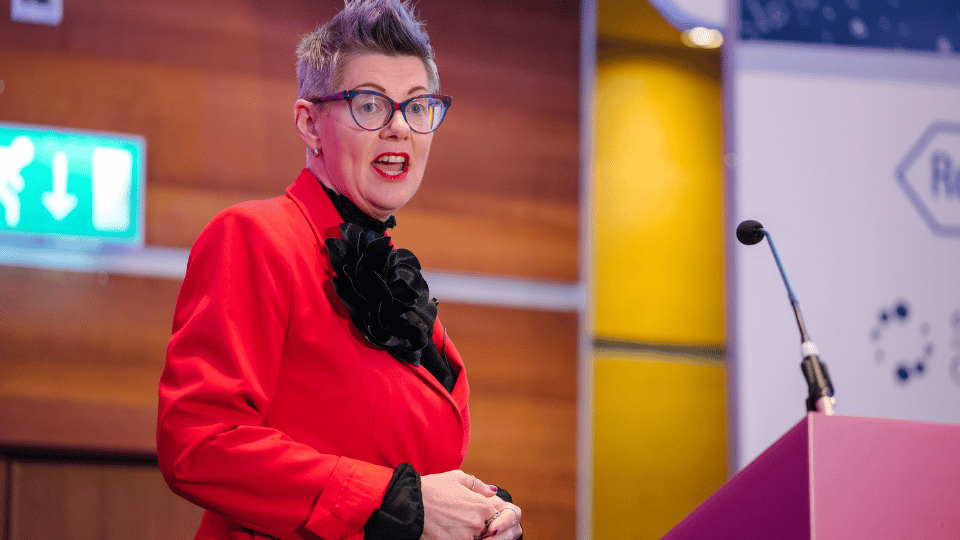
Explore the Agenda
Hear the latest industry breakthroughs and gain exclusive insights during our packed agenda, interactive roundtables, and panel discussions.
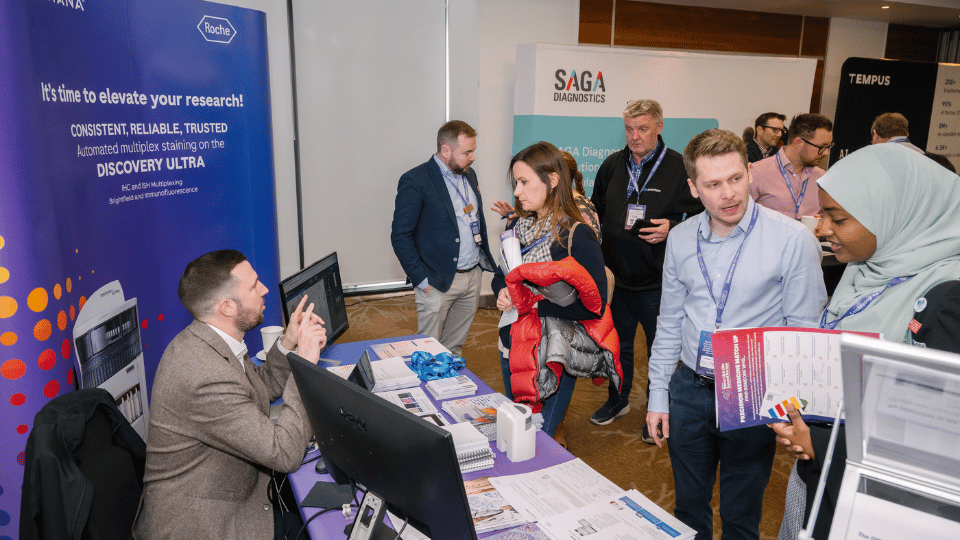
Partner With Us
Position yourself alongside other leading solution providers to ensure your brand is at the heart of biopharma deals.
Join Biopharma Experts
Be part of the hottest conversations with like-minded attendees spanning all stages of obesity drug development and make critical connections during our dedicated networking sessions.